
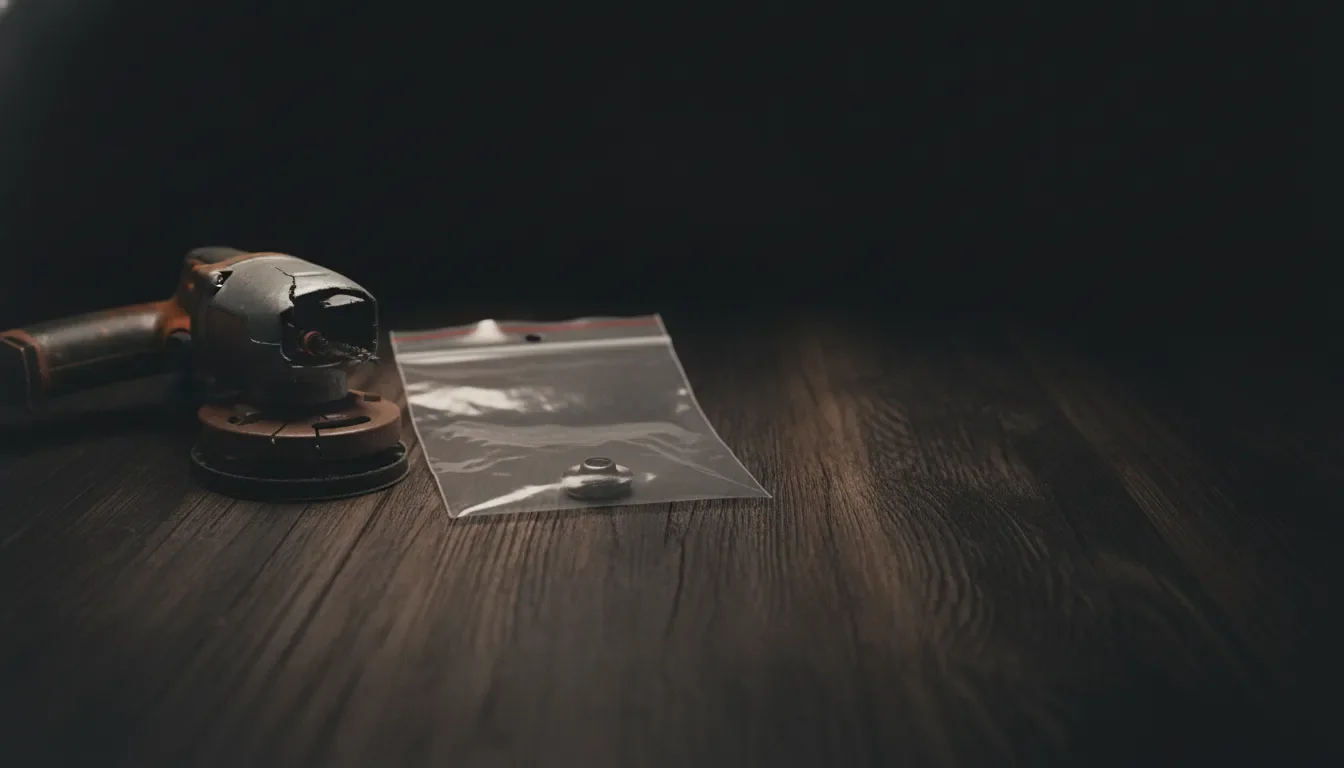
A defective product injury claim is a request for compensation after a product harms someone. The useful first question is not who was careless in the moment. It is whether the product left the seller's hands with a manufacturing flaw, an unsafe design, or missing warnings. It is also whether that problem was a substantial factor in the injury. This guide explains the evidence to keep and the next steps to take. It is general information reviewed on November 19, 2026, not legal advice for a particular case.
Call (213) 427-6262 for a free consultation about your injury
Key takeaways
Keep the product, the packaging, and any broken pieces. Do not repair, discard, or return the item until a lawyer reviews that choice.
California jury instructions describe three strict-liability paths: a manufacturing defect, a design defect, and a failure to warn. Negligence and warranty claims can exist beside them.
The usual California deadline for injury caused by the wrongful act or neglect of another is two years under Code of Civil Procedure section 335.1. Discovery rules, a minor's age, a government defendant, or a death can change the date. Confirm the deadline for the facts.
A free consultation is a first conversation. It is not free representation, and no result is promised.
What is a defective product injury claim?
Product cases sit inside personal injury law, but they are not the same as a car crash or a fall on someone else's property. The personal injury practice at The Law Offices of Gary J. Kim describes product liability as harm from a household item, tool, or machine that is defective or malfunctions. The firm is based at 3731 Wilshire Boulevard, Suite 502, Los Angeles. It also handles other injury matters. Gary J. Kim is an active California attorney. Bar membership is a credential. It is not a specialty certification or a promise about outcomes.
In a product case, the injured person usually has to connect four ideas. A business manufactured, distributed, or sold the product. The product had a defect of the kind the law recognizes. The person was harmed. The defect was a substantial factor in that harm. Those elements come from the Judicial Council of California Civil Jury Instructions on strict products liability. The lead instruction is CACI No. 1200, and defect-specific instructions follow it. The instructions are a teaching aid for juries. They are not a checklist that decides a case by itself.
A claim can start with an insurance notice or a demand. It can later become a lawsuit if the parties do not resolve it. Filing the claim, gathering records, and reviewing a settlement are covered in our guide to how to file a personal injury claim. This article stays on the product-specific questions that guide does not answer.
Which kind of defect are you describing?
People often say the product was defective as if that were one fact. California instructions split the idea into categories. The evidence for each category is different. More than one category can be argued in the same case when the facts support it.
Manufacturing: This unit differs from the intended product or from other units in the same line. Evidence that tends to matter: The broken item, sister units if available, and photos from before any repair. Instruction to ask about: CACI Nos. 1201 and 1202
Design, consumer expectation: The product did not perform as safely as an ordinary consumer would expect in foreseeable use. Evidence that tends to matter: How the product was used, what an ordinary user would expect, and the resulting harm. Instruction to ask about: CACI No. 1203
Design, risk-benefit: A second design test that can shift part of the proof once a basic showing is made. Evidence that tends to matter: Design choices, safer alternatives, and technical records. Often needs an expert. Instruction to ask about: CACI No. 1204
Failure to warn: Instructions or warnings of safety hazards were not sufficient for that product and user. Evidence that tends to matter: Labels, manuals, inserts, on-product markings, and what the user actually saw. Instruction to ask about: CACI No. 1205
Manufacturing defect
CACI No. 1201 asks four questions. Did the defendant manufacture, distribute, or sell the product? Did the product contain a manufacturing defect when it left that defendant's possession? Was the plaintiff harmed? Was the defect a substantial factor in the harm?
The related explanation, reflected in CACI No. 1202, is concrete. A manufacturing defect is a product that differs from the manufacturer's intended result, or from other units in the same product line. A cracked guard on one tool, when the same model is built with an intact guard, is the kind of contrast this theory describes. A design shared by every unit is not.
Design defect
A design claim looks at the product as it was meant to be made. CACI No. 1203 is the consumer-expectation test. It asks whether the product failed to perform as safely as an ordinary consumer would have expected. The use, or the misuse, must have been intended or reasonably foreseeable.
CACI No. 1204 states a second design test, often called risk-benefit. It shifts part of the proof burden once the plaintiff makes a basic showing. The two tests are not always either-or. Which test a court will allow depends on the product and the proof. An ordinary user can sometimes describe what a simple product should have done. A complex machine may need technical proof a layperson cannot supply.
Failure to warn
CACI No. 1205 addresses a product that lacked sufficient instructions or a warning of potential safety hazards. A warning claim is not simply the absence of a sticker. It asks whether the risks that mattered were communicated in a way the law treats as adequate for that product and that user. Labels, manuals, packaging inserts, and on-product markings all belong in the file. So does any warning the injured person actually saw.
Negligence and warranty
Strict liability is not the only route. CACI No. 1220 and nearby instructions cover negligence, including a careless failure to warn. CACI Nos. 1230, 1231, and 1232 cover express warranty and implied warranties of merchantability and fitness. A warranty theory can matter in two common settings. The seller described the product in a way the product did not meet. Or the seller sold goods that were not fit for their ordinary purpose. Those claims have their own elements and defenses. They should not be collapsed into the strict-liability story.
What should you keep, and what should you leave alone?
The product is the case. Once it is repaired, thrown away, or sent back without a record, the comparison a manufacturing claim needs may be gone. Design and warning claims suffer too. The lawyers and any later expert need the same item the injured person used.
The product and everything that came with it
The item itself, including broken pieces, detached guards, batteries, and accessories.
The box, inserts, manual, warning tags, and any online listing or receipt that shows the model.
Photographs of the product as it was right after the injury, from several angles, before anything is moved if that is safe.
The serial number, lot number, model name, and purchase date, copied into a note as well as photographed.
Do not test the product again to see if it still fails. Do not let a repair shop, a retailer, or the manufacturer take it for inspection unless a lawyer has set the terms in writing. A retailer exchange feels helpful on the day of the injury. It can erase the only unit that shows the flaw.
The injury and the setting
Medical records, discharge papers, bills, and a simple log of symptoms and missed work.
Photos of the injury over time, stored privately rather than posted.
Names and contact details for anyone who saw the event or the product condition.
A short written account of how the product was being used, made the same day if possible. Stick to what you saw. Do not guess at a cause.
If a government agency, an employer, or a jobsite was involved, reporting rules can be separate from the injury claim. Keep copies of any report you file. A workers' compensation report, a police report, or a retailer incident form does not automatically replace a product claim. The reverse is also true.
Who in the chain of sale may matter?
CACI No. 1200 and the defect instructions speak in terms of a defendant that distributed, manufactured, or sold the product. In plain language, that chain can include several businesses. Examples are the manufacturer, a component maker, an importer, a distributor, and the store that sold the item.
A repair company or a rental company can also be part of the story under negligence instructions, including the rental standard in CACI No. 1224. Naming the right businesses is fact work. The name on the box is not always the only name that matters. A foreign manufacturer can raise service and evidence problems a local retailer does not.
Some defenses are specific to products. CACI No. 1245 addresses misuse or modification. The directions for use on the manufacturing instruction explain a limit. Unforeseeable abuse or alteration can defeat a strict-liability claim if it was the sole cause of the injury. Foreseeable misuse may still leave a claim in place. It may instead affect comparative fault under CACI No. 1207A.
CACI No. 1248 addresses a narrow inherently unsafe consumer-product defense tied to Civil Code section 1714.45. That defense is not a general rule that you assumed the risk of any product. It has specific conditions. The statute also excludes manufacturing-defect and express-warranty claims from its definition of a product liability action. Whether any defense fits is a legal judgment, not a label on a demand letter. The Judicial Council's 2026 Civil Jury Instructions collect these product rules, including CACI Nos. 1200 through 1205, 1220, 1230, 1245, and 1248.
How does a product claim differ from other injury claims?
The losses people ask about often overlap with other injury matters. Medical bills, lost income, and the effect of pain on daily life are common examples. What those categories can include, and why a result is never guaranteed, is discussed in the general claim guide linked above. Fee math is a separate subject. Our personal injury lawyer cost guide explains written contingency agreements and why a percentage is not the whole story. This article does not restate those fee terms.
The differences that belong here are about proof and about time.
Proof centers on the product's condition and history, not only on a driver's or a property owner's conduct.
Several businesses may share the chain of distribution, so notice to one insurer may not reach the manufacturer.
Experts are common once the defect theory is technical. That is a cost and timing issue to ask about in the first meeting, not a reason to throw the product away.
If the injury caused a death, beneficiary rules and death-claim deadlines are a different article. Start with when to hire a wrongful death attorney and the firm's note on wrongful death lawsuit filing deadlines. Then confirm which claims the facts support.
What deadlines should you confirm?
Code of Civil Procedure section 335.1 sets a general two-year period. It covers an action for injury to, or for the death of, an individual caused by the wrongful act or neglect of another. The California Courts Self-Help Guide states the same personal-injury figure in plain language: two years from the injury. The guide also says deadlines are fact specific.
When a problem was not discovered right away, time sometimes runs from discovery, or from when the problem should reasonably have been discovered. Suing a government agency has earlier claim requirements. Tolling can pause time, including while a plaintiff is a minor. That is another reason not to calculate a date from a blog post.
Substantive review date: November 19, 2026. Statutes, jury instructions, and agency rules change. Before you rely on a date, have a lawyer read the purchase papers, the medical timeline, and the identity of each potential defendant.
What are sensible next steps?
Get medical care and follow the treatment plan. The health record is also evidence of harm.
Preserve the product and its packaging. Photograph it, then store it where it will not be repaired or discarded.
Write down the model, seller, purchase date, and how the product was used. Save the receipt and any later messages with the store or manufacturer.
Avoid a recorded statement or a signed release until you understand which losses it gives up. A store credit or a quick replacement is not the same as a reviewed resolution of an injury claim.
Ask for a consultation before the deadline is close. That matters especially if surgery is pending, several companies are in the chain, or the product has already been altered.
The Law Offices of Gary J. Kim offers a free consultation for personal injury matters. The injury page lists product liability among the injury types the firm handles. A consultation is a chance to sort the defect theory, the evidence still available, and the deadline. It is not a promise that the firm will take the matter, that a defendant will pay, or that a particular amount will be recovered.
Attorney fees, case costs, and any later recovery are separate from that first conversation. Call (213) 427-6262. The Los Angeles office is at 3731 Wilshire Boulevard, Suite 502, Los Angeles, CA 90010. The firm says it can visit a home or hospital when travel is not possible. That is a case-by-case arrangement, not a promise of coverage in every place.
If a product injured you, call (213) 427-6262 or start with the personal injury page to ask for a free consultation. Bring the product photos, the receipt, and the medical papers you already have.
Frequently asked questions
Do I have to prove the company was careless?
Not always. California strict-liability instructions focus on a manufacturing defect, a design defect, or a failure to warn, plus harm and a substantial-factor link. Negligence is a separate theory with its own standard of care. Which path fits depends on the product and the proof. It does not follow a general rule that every product injury is someone's carelessness.
Should I send the product back to the manufacturer?
Not before getting advice. The manufacturing-defect instruction looks at the product's condition when it left the defendant's possession. Later alteration can become a defense. Photograph the item, keep the pieces, and let a lawyer decide whether and how any inspection happens.
What if I was not using the product exactly as the manual describes?
Foreseeable misuse is not automatically fatal to a claim. The consumer-expectation instruction itself refers to use or misuse in an intended or reasonably foreseeable way. Unforeseeable abuse or alteration that was the sole cause of the injury is different. It can defeat strict liability. The line between those ideas is a legal and factual question.
How long do I have to file in California?
For many injury claims, Code of Civil Procedure section 335.1 sets two years. The start date can move. Examples include an injury that was not reasonably discoverable at once, a plaintiff who is a minor, a government defendant, or a death claim. Do not treat two years from the accident as a personal deadline without a review.
Does a free consultation mean the case will be accepted?
No. The firm's injury page offers a free consultation. Acceptance, the fee agreement, and any recovery are separate decisions. Nothing on this page promises a settlement or a result.
