
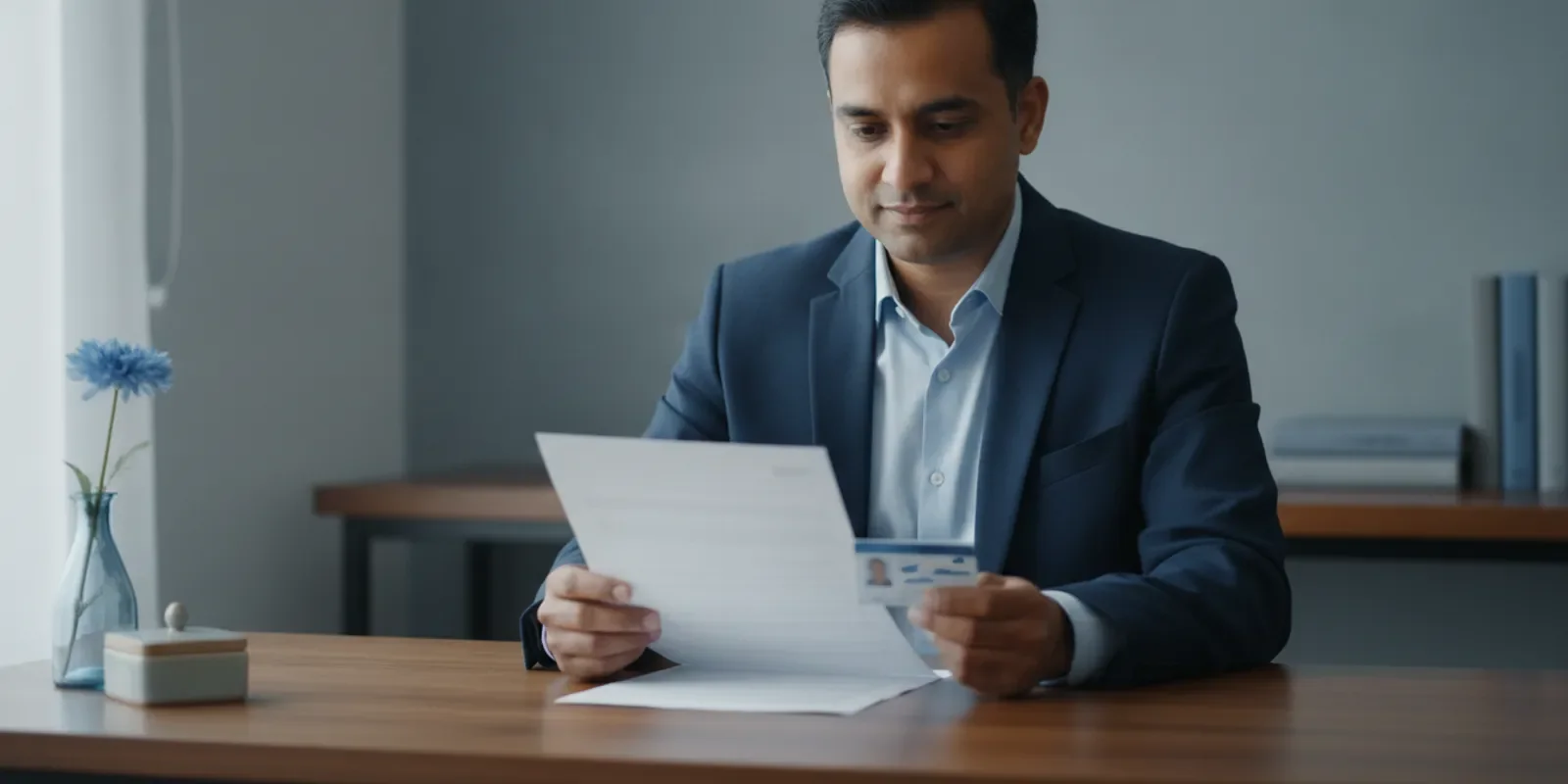
An immigration biometrics appointment is usually a short visit to collect or confirm fingerprints, a photograph, and a signature. It is not an interview, and it is not a decision on the application. The appointment notice controls the date, place, and documents, so start there and follow the current instructions for your case.
Request a case evaluation or call (213) 427-6262.
What is an immigration biometrics appointment?
Biometrics are identifying features or information collected from a person. After certain filings, U.S. Citizenship and Immigration Services (USCIS) may schedule a biometric services appointment at a local Application Support Center (ASC). The notice, Form I-797C, Notice of Action, lists the date, time, and location. USCIS says the information collected at that visit is used to confirm identity and to run required background and security checks.
The collection is not the same as a visa interview, an immigration court hearing, or a review of whether someone qualifies for a benefit. Staff at the ASC are not there to decide the case or give legal advice. A case can still require more evidence, an interview, or another step after this visit.
USCIS also has authority to reuse biometrics it already has, instead of asking someone to appear again. Reuse is not automatic. A notice that says prior biometrics will be reused is different from a notice that requires an in-person visit. Follow the current notice unless USCIS changes or cancels it.
For certain forms, the visit also includes a digital signature. USCIS explains that this signature reaffirms that the application, petition, or request, and the documents filed with it, were complete, true, and correct at the time of filing. That attestation is part of the appointment. It is not a new application and not an approval.
Who may receive a biometrics appointment notice?
USCIS states that it may require biometrics from an applicant, petitioner, sponsor, beneficiary, or another person in the United States in connection with an immigration or naturalization benefit. A notice can relate to a benefit application, a waiver, or another process that needs identity checks. Which rule applies depends on the person, the filing, and the instructions in effect at that time.
Someone applying to adjust status in the United States may receive a notice as one step in that process. Adjustment of status has its own eligibility and filing questions, which are separate from fingerprints or a photograph. The firm's adjustment of status information covers that pathway. The appointment does not replace those requirements.
A person seeking a nonimmigrant visa, an immigrant visa through consular processing, or another form of relief may follow different procedures. The firm has an overview of consular processing for overseas visa steps. Do not use one person's appointment notice as a guide for someone else's case.
In a family or employer-sponsored matter, the person named on the notice still has to follow it, even when a relative, petitioner, employer, or attorney helped prepare the filing. The sponsor's role does not replace the applicant's instructions to appear. Family cases often involve more than one person, so compare each notice separately. The firm's family immigration overview explains that broader process. It does not replace the instructions on a particular notice.
What should you do when the notice arrives?
Identify the person named, the date and time, the location, and the list of what to bring. Confirm that the notice matches the right applicant and the right case. If a household receives notices for several family members, read each one on its own. Similar dates do not mean everyone has the same time or location.
Keep the original notice and make a clear copy or a secure digital image. The paper notice is usually the easiest document to bring. Store a copy with other case records, and do not send personal identifiers through an unsecured channel. If a representative is involved, send a copy through the agreed secure method.
Use the full address on the notice. Do not rely on a familiar building name, an old notice, or an address copied from another applicant. Plan the route and leave time for traffic, parking, transit, building entry, and security screening. Local access conditions can change, so the current notice remains the source for that appointment.
Read any limits on visitors and extra documents. Do not assume an item is allowed because another government office accepted it. If the notice does not answer a question, use the contact method it names or another official USCIS channel before the appointment. USCIS publishes the current rules on its page, Preparing for Your Biometric Services Appointment, last reviewed April 30, 2026. Check that page rather than an old forum post or an unofficial checklist. This article was reviewed against that guidance on November 13, 2026, and procedures can change after that date.
What should you bring to the appointment?
USCIS says the notice gives the specific instructions, and that two items are also required: the ASC appointment notice and valid photo identification, such as a Green Card, passport, or driver's license. If you received more than one biometrics notice, bring all of them. Do not assume a particular ID will work if it is expired, damaged, or does not match the notice.
Do not bring original civil documents or a thick evidence file unless the notice asks for them. A biometrics appointment is not ordinarily the time to submit new evidence about eligibility. If those records matter to the case, keep them organized for the filing, interview, or legal review where they belong.
Some people need help because of age, disability, health, or language. USCIS says a person who does not understand spoken English should bring someone who can translate, such as a family member, attorney, or accredited representative. Disability accommodations are requested in advance, either online or through the USCIS Contact Center. Asylum and NACARA 203 applicants must call to make that request. A parent or legal guardian may sign for a child under 14. Do not assume a companion can enter every area, or that an accommodation will be arranged on arrival.
What happens during the appointment?
Expect the site's check-in and security process. Staff may review the notice and identification, confirm information, and direct the person through collection. Depending on the case and the equipment, that can include fingerprints, a photograph, and a signature. Follow staff directions and ask if an instruction is unclear.
Fingerprint images may need to be captured again if the first set is incomplete. Dry or worn skin, a hand injury, or another physical issue can affect collection. Tell the staff member and follow their directions. If a medical condition prevents the usual method, ask what procedure is available and keep a note of the instruction. Do not try to alter or obscure fingerprints before the visit.
The collection itself may be brief, but the time at the site can vary because of lines, security, and equipment. Arriving very early does not guarantee an earlier slot, and arriving late can create a problem. After collection, keep any confirmation you receive. A completed capture or a routine conversation is not evidence that the application has been approved.
USCIS also says ASC staff cannot change a name or other personal information during the appointment. The notice is generated from the information on the filing. If that information is wrong, use the official process for correcting it rather than expecting the visit to fix it.
What if you cannot attend on the scheduled date?
USCIS requires a reschedule request before the original date and time, and it requires good cause. The request, including a request to use a different ASC, must be made through a USCIS online account. Do not mail it. A request made through the online account must be submitted at least 12 hours before the scheduled time.
If the request is less than 12 hours away, or the appointment has already been missed, call the USCIS Contact Center. The number is 800-375-5283, and the TTY number is 800-767-1833. You can also use Emma, the USCIS virtual assistant. A phone call is not the same as confirmation of a new date. Keep a record of the date, method, any confirmation number, and the response. Until you receive clear updated instructions, do not treat the original appointment as canceled.
USCIS says that failing to request a reschedule before the appointment, or failing to show good cause, can lead it to treat the related application, petition, or request as abandoned, and it may deny it. Those consequences are serious, but they are not identical in every context, so read the specific notice. Do not rely on a general statement that a missed appointment is harmless or that a case will be denied automatically.
Appearing at a different ASC without rescheduling in advance will not be processed, because of scheduling and security requirements. If the date has already passed, do not ignore it. Review the notice, check the case communications available to you, and use an official USCIS channel. If the missed appointment is tied to a deadline or another serious concern, case-specific legal guidance may be useful.
What if the notice has incorrect information or never arrives?
If a notice shows the wrong name, case information, date, time, or location, compare it with the filing and later communications. Do not edit the notice or assume the error will be corrected at the appointment. USCIS says it cannot change a name or other personal information during the ASC visit. Use the contact instructions on the notice or an official USCIS channel, and keep a copy of the notice and of the inquiry.
If you expected an appointment and no notice has arrived, first confirm that the mailing address is current and review the case status and correspondence. A missing notice can have several explanations, including reuse of prior biometrics or mail that has not reached you. Do not schedule your own visit or appear without authorization unless official instructions say to do so.
When mail is returned, delivered to an old address, or opened by someone else, respond quickly. Update contact information through the procedure that applies to the case. An address update does not automatically correct every pending notice or forward agency mail. If a notice may have been lost, ask USCIS how to confirm the instructions, and keep copies of the address-change confirmation.
People who move while a case is pending should track both contact details and appointment mail. Where family members have separate applications, confirm the address information for each person. A sponsor or relative should not assume the agency will copy them on a notice addressed to the applicant.
How do biometrics relate to the rest of an immigration case?
Biometrics are one administrative step. USCIS uses them to confirm identity and to run background and security checks. Collection does not show that the person qualifies for a benefit. Eligibility depends on the legal requirements for that application, the evidence, and any further review the agency conducts.
On an adjustment-of-status application, the appointment does not replace the eligibility analysis or later steps. The applicant may still need to answer a request for evidence, attend an interview, or provide other information. Immigration history, current status, prior applications, and family or employment relationships can affect the broader case. Biometrics do not resolve those issues.
USCIS also uses biometrics to produce a replacement Green Card after a Form I-90 and an Employment Authorization Document after a Form I-765. Those production uses are still not an approval of a different application, and they do not set a processing time. For pending adjustment cases, the firm's article on an EAD while adjustment of status is pending covers work-authorization questions that are separate from the ASC visit.
If a case is based on an employer's sponsorship, the employer's role in the petition is distinct from the worker's or beneficiary's personal appointment. An employer may help with logistics. It should not assume it can attend in place of the person named on the notice. Each person should follow the instructions addressed to them and keep their own records. The firm's business immigration overview describes employer-sponsored pathways. It is not a substitute for the notice.
Keep the notice, any proof of attendance, later notices, and case correspondence together. A simple timeline can record when the notice arrived, whether biometrics were taken or reused, and what communication followed. Silence after the visit is not approval, denial, or a processing timeline.
Can USCIS reuse biometrics instead of scheduling a visit?
In some cases USCIS reuses biometrics it already collected and sends a notice that no new appointment is required. Reuse is case-specific. It does not mean every person with a prior appointment can skip a new one, and it does not mean the application has been approved. If a new notice directs you to appear, follow that notice unless USCIS gives different instructions.
Read the wording and date of every communication. If an older notice schedules a visit and a later official notice says biometrics will be reused, do not guess which one controls. Confirm the current instruction with USCIS if there is any ambiguity. If an online update and a paper notice conflict, keep both and ask for clarification.
Reuse covers the biometrics step only. It is not a promise that no more evidence or action will be requested. Keep watching official channels and answer later notices by their stated deadlines.
How can you prepare if you are helping a family member?
A family member can help organize documents, review directions, arrange transportation, and make sure the applicant knows how to ask a question at the site. The applicant should still understand the appointment and carry the required notice and identification. Explain the steps in a language the applicant understands. USCIS says a person who needs spoken-language help should bring a translator, and it publishes the appointment acknowledgement in several languages. Do not assume a particular interpreter will be provided at the site.
For a child or an applicant who needs a caregiver, read the location's instructions about accompanying adults before the day of the visit. A parent or legal guardian may sign for a child under 14. Do not assume that a parent, interpreter, or other companion can enter the collection area. If the applicant has a medical, developmental, or mobility need, request the accommodation in advance. USCIS also has a process, described in the disability section of the appointment notice, for a mobile or homebound appointment when a serious ongoing medical condition prevents someone from leaving home or a hospital.
When an employer is helping an employee or beneficiary, confirm that the person received the notice and understands the date and location. Share only what is needed for coordination. Do not circulate identity documents or case numbers more widely than necessary. The appointment remains the applicant's personal obligation even when the case began through an employer.
What common preparation mistakes should you avoid?
Treating biometrics as approval. The visit collects or confirms identity information. It is not a decision on the full case.
Using an old notice or address. Check the most recent instructions and confirm the location, date, and time for the person who is scheduled.
Leaving the notice at home. Put the Form I-797C and the required photo ID on the appointment-day checklist.
Mailing a reschedule request or skipping the deadline. USCIS requires an online-account request before the original appointment, at least 12 hours ahead, and good cause.
Walking into a different ASC. A visit to another location is not processed unless the appointment was rescheduled to that location in advance.
Bringing an evidence file and forgetting the required ID. Follow the notice. Routine collection is not an interview.
Assuming old fingerprints cancel a new notice. Follow the current notice, or a later official instruction that clearly changes it.
Expecting a timeline. Completing biometrics does not establish when USCIS will finish the case.
Posting the notice for help. Appointment notices contain sensitive identifiers. Use a secure channel.
A short checklist covers the avoidable problems. Confirm the current notice, verify the address and time, and prepare the specified ID. Plan the trip, and contact USCIS early if there is a conflict or an accommodation need. Keep a copy of the notice and of any follow-up. These steps do not decide the legal outcome.
When may case-specific legal guidance be useful?
A routine appointment does not require a lawyer to attend. USCIS says an attorney or accredited representative does not need to go to the ASC, even if that person filed the case. Legal guidance can still matter when the notice does not answer the real question. Examples include a missed appointment, conflicting communications, or a prior immigration history. Other examples are a concern about what an application disclosed, a deadline, or uncertainty about how one filing relates to another.
If the agency appears to have inaccurate identity information, the notice names the wrong person, or a serious medical or accessibility issue prevents compliance, it helps to understand the available response before acting. Someone who missed an appointment should review the exact notice and the current USCIS rescheduling rules rather than rely on a generic prediction. The next step depends on the facts.
The Law Offices of Gary J. Kim is a Los Angeles-centered practice focused on U.S. immigration and personal injury. Immigration questions are handled by pathway, and the available options depend on the person's circumstances. A case evaluation can identify which questions need review. It is not a promise of representation or of a particular result. The firm's immigration overview describes the practice areas. Gary Joonsuh Kim is an active member of the California Bar. That credential is not a specialty certification, and it is not evidence of case volume or outcomes.
Contact the firm about your immigration matter or call (213) 427-6262.
FAQ: immigration biometrics appointment questions
Is a biometrics appointment an immigration interview?
No. It is generally for collecting or confirming fingerprints, a photograph, and a signature, and for identity and background checks. It is not an interview about eligibility. A separate interview notice can arrive at another time.
What happens if I miss my appointment?
USCIS says that if you do not request a reschedule before the appointment, or do not show good cause, it may treat the related application, petition, or request as abandoned and may deny it. If the appointment is less than 12 hours away or has already passed, call the USCIS Contact Center at 800-375-5283 or use Emma. Keep a record of what you do, and do not assume the case will be rescheduled on its own.
Should I bring my complete application file?
Bring the appointment notice and valid photo identification. If you have more than one biometrics notice, bring all of them. Bring other documents only when the notice or another official instruction requests them. Routine collection is not a substitute for an interview or an evidence submission.
Does completing biometrics mean my case is approved?
No. It means the collection step was completed, or that USCIS handled the requirement another way, such as reuse. The agency still reviews the application and may require more evidence, an interview, or other steps before a decision.
Can I walk in on a different day or at a different location?
No. USCIS says an appearance at an ASC other than the one on the notice will not be processed unless you rescheduled to that location in advance. Request a change through your USCIS online account before the original appointment, with good cause, and wait for clear official direction.
What should you do next?
Use the appointment notice as the starting point. Confirm who must appear, when and where, which identification is required, and how to request a change if you cannot attend. Keep the notice and follow-up records secure, attend as directed, and keep watching official communications. This is general information reviewed on November 13, 2026, against USCIS guidance last reviewed on April 30, 2026. Immigration procedures change, and the right steps depend on the facts of an individual case.
